
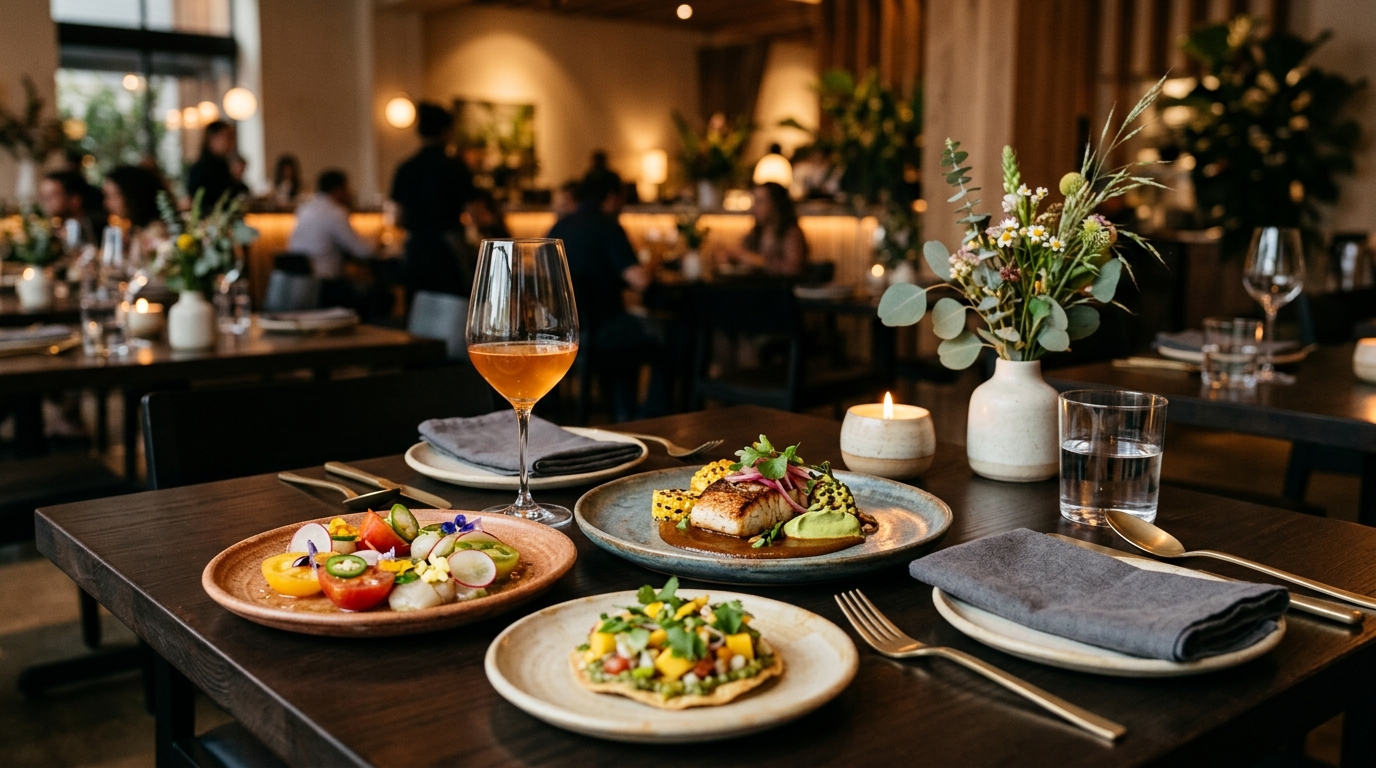
California’s restaurant scene reached another milestone in 2026. The latest MICHELIN Guide California selection includes 523 restaurants representing 54 cuisine types, reinforcing the state’s position as one of the most diverse dining destinations in the United States.
The biggest headline came from San Francisco, where Californios was promoted to Three MICHELIN Stars. The achievement made Chef Val M. Cantú’s restaurant the first Mexican restaurant in the world to receive Michelin’s highest three-star distinction. Sonoma’s Enclos also moved up to Three Stars, while Kato in Los Angeles earned a second star.
But the 2026 guide is about more than expensive tasting menus. New One-Star restaurants showcase Mexican, Filipino, Japanese, Californian, French, Asian contemporary, sushi, and other culinary influences, while the state’s extensive Bib Gourmand list continues to highlight restaurants offering strong cooking at more approachable prices.
For travelers who consider food an essential part of exploring the Golden State, the new guide provides another reason to build meals into a California itinerary. Browse our California restaurants directory, explore destinations through our California regions guide, or use the California county explorer to discover local dining areas beyond the most famous restaurant cities.
What Changed in the 2026 California Michelin Guide
The 2026 selection was revealed in San Diego in June, with two restaurants moving into Michelin’s highest category. California now has 10 Three-Star restaurants, 13 Two-Star restaurants, and 60 One-Star restaurants. That means 83 restaurants in the state currently hold at least one Michelin Star in the 2026 selection.
The guide also lists 117 Bib Gourmand restaurants and 323 Recommended restaurants. Michelin awarded 18 Green Stars to restaurants recognized for approaches to gastronomy that its inspectors consider particularly forward-looking.
Those numbers show how broad California’s dining ecosystem has become. Fine dining remains important, but restaurants attracting Michelin attention are spread across major metropolitan areas, wine country, coastal communities, and smaller destinations. Travelers no longer need to focus exclusively on San Francisco or Los Angeles to build a food-centered California trip.
The full official selection and current restaurant distinctions can be checked through the 2026 MICHELIN Guide California announcement. Because restaurant hours, menus, reservation systems, and even guide distinctions can change, travelers should verify current details before planning a special trip around one restaurant.
Californios Makes Global Restaurant History in San Francisco
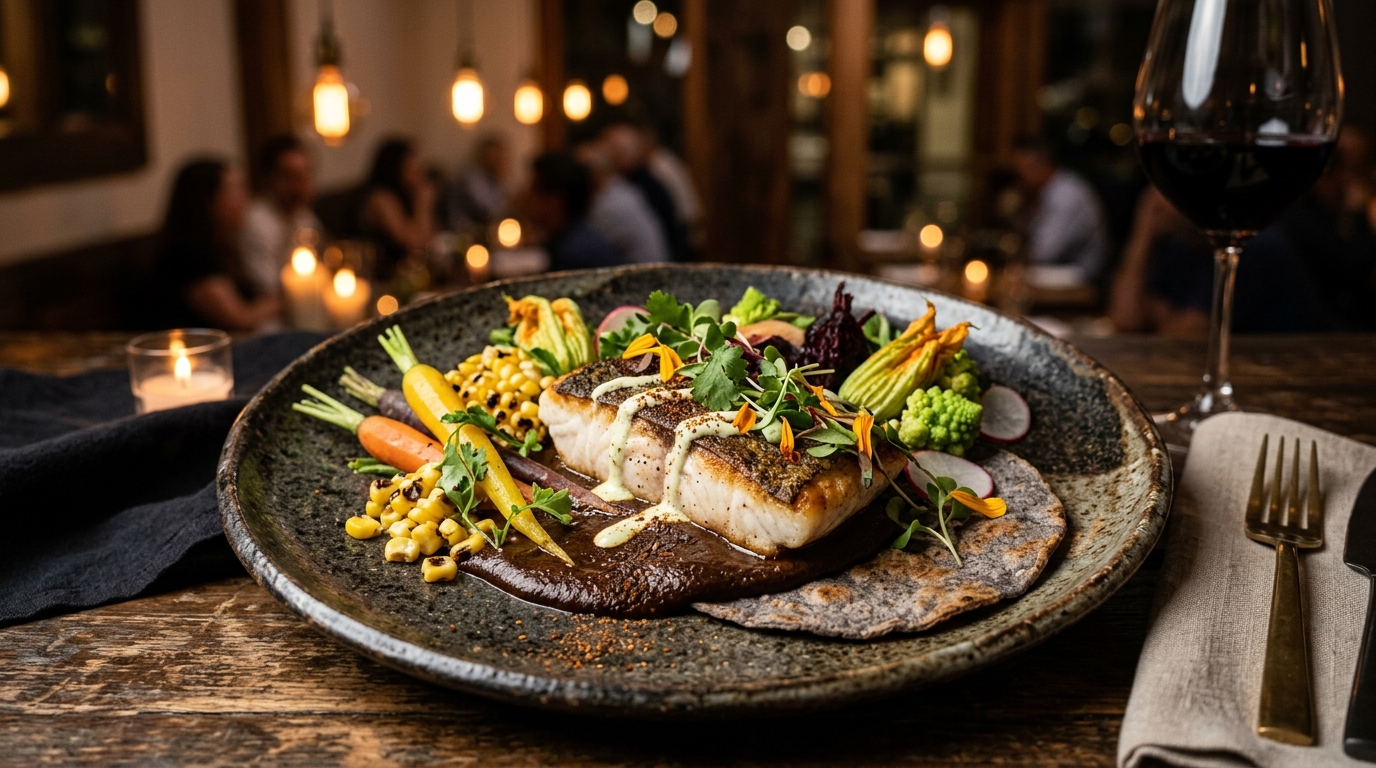
One of the most important stories from the 2026 guide is the promotion of Californios to Three MICHELIN Stars. Located in San Francisco, the restaurant is led by Chef Val M. Cantú and presents Mexican cuisine through an ambitious tasting-menu format.
Michelin describes the restaurant’s approach as combining Mexican culinary heritage with imaginative technique and exceptional ingredients. Corn, tortillas, mole, chiles, seafood, and other elements of Mexican cooking appear in forms shaped by the restaurant’s fine-dining approach.
The three-star promotion carries importance beyond one restaurant. Mexican food has profoundly influenced California’s culinary identity, from tacos and regional specialties to contemporary restaurants reinterpreting traditional ingredients. Having a Mexican restaurant reach Michelin’s highest rating puts that influence on a new global stage.
Why the Californios Promotion Is Historically Significant
Michelin’s Three-Star distinction represents its highest restaurant rating and is reserved for establishments the guide considers worthy of a special journey. With the 2026 promotion, Californios became the first Mexican restaurant in the world to hold three Michelin Stars.
That achievement reflects a larger California dining trend: cuisines rooted in immigrant communities are increasingly represented at the highest levels of fine dining without abandoning their cultural foundations.
This can be seen elsewhere in the new selection as well. Naides in San Francisco received One MICHELIN Star for a modern interpretation of Filipino cuisine. Michelin highlights the restaurant’s combination of Californian ingredients with Filipino flavors, including creative interpretations of dishes associated with sisig, pandesal, and adobo.
For visitors, these restaurants offer another way to understand California. Food can reveal migration, agriculture, neighborhoods, history, and cultural connections that are not always obvious from conventional tourist attractions.
Enclos Gives Sonoma Another Destination Restaurant
California’s second new Three-Star restaurant is Enclos in Sonoma. Chef Brian Limoges operates the restaurant from a restored late-19th-century Victorian property in downtown Sonoma, creating an experience closely tied to both the building and the surrounding agricultural region.
Ingredients include produce sourced from affiliated Stone Edge Farm, while Michelin describes the cuisine as combining refined technique, global influences, and touches inspired by the chef’s New England background.
The promotion strengthens Sonoma’s appeal as more than a wine destination. Travelers already visit the region for vineyards, tasting rooms, scenic drives, hotels, and small-town atmosphere. Restaurants at this level create another reason to stay overnight rather than treating Sonoma only as a day trip.
If a dining trip includes an overnight stay, browse our California hotels and stays directory to explore accommodation options around food-focused destinations.
Kato and Nine New One-Star Restaurants Show California’s Range
Los Angeles also had a significant year. Kato, led by Chef Jonathan Yao, was promoted to Two MICHELIN Stars. Its tasting menu draws on the chef’s Taiwanese background and Los Angeles upbringing, demonstrating how personal history and California ingredients increasingly overlap in the state’s ambitious restaurants.
Nine restaurants received One MICHELIN Star in the new selection: Corridor 109, KOJIMA, Lielle, Lucien, Miura, Naides, Seline, Troubadour, and Wolfsbane.
Their locations illustrate the geographic spread of Michelin-recognized dining. Los Angeles received several additions, while others are in Beverly Hills, La Jolla, Santa Monica, San Francisco, and Healdsburg.
That geographic diversity can make restaurant discovery part of a larger California trip. A traveler visiting San Diego County might pair a reservation with beaches and coastal neighborhoods, while someone heading to Sonoma or Healdsburg can combine food with wine country and nearby outdoor destinations.
California Cuisine Is Becoming Harder to Define — and That Is a Strength
The new stars make one thing particularly clear: “California cuisine” no longer describes a single cooking style. The state’s strongest restaurants pull from its farms, fisheries, immigrant communities, Asian and Latin American traditions, wine regions, and access to exceptional produce.
Some restaurants explicitly identify their cooking as Californian. Others are Mexican, Filipino, Japanese, French, sushi-focused, or Asian contemporary. Many combine influences rather than fitting neatly into one category.
Michelin says the entire 2026 California selection represents 54 cuisine types, while starred restaurants alone represent 18. That range makes food useful for exploring the cultural differences between California regions rather than treating the state as one homogeneous destination.
Travelers interested in casual local dining as well as destination restaurants can also browse our coffee and cafés directory alongside restaurant listings when planning neighborhood-level exploration.
What the 2026 Guide Says About California Dining Trends
The Michelin Guide is only one perspective on California food, and a star is not the only measure of whether a restaurant is worth visiting. Still, the 2026 selection provides a useful snapshot of where attention is moving.
Three themes stand out: cultural specificity is becoming more visible in fine dining, California ingredients remain central to many highly rated restaurants, and worthwhile dining exists across a much wider price range than the Three-Star headlines suggest.
The geographical spread matters too. Sonoma, Healdsburg, La Jolla, Santa Monica, Oakland, San Diego, Sacramento, Orange County communities, and numerous smaller cities appear throughout Michelin’s Star, Bib Gourmand, and Recommended selections.
For a statewide discovery website like california.you, that is the most useful takeaway. Great California food is not confined to a handful of famous dining rooms. It is connected to neighborhoods and local communities throughout the state.
Michelin Dining Does Not Have to Mean a Three-Star Tasting Menu
The Three-Star restaurants generate headlines, but most travelers are unlikely to build every meal around a lengthy tasting menu. Michelin’s Bib Gourmand category offers a different way to use the guide.
In 2026, California has 117 Bib Gourmand restaurants. Seven were newly added to the category. The list covers a remarkable mix of cuisines and communities, including tacos, noodles, barbecue, dumplings, Mediterranean food, Thai cooking, Italian restaurants, Vietnamese cuisine, and many others.
This makes the guide more useful for a road trip. A traveler can experience an ambitious restaurant for one special evening and spend the rest of the trip exploring neighborhood restaurants, markets, cafés, and regional specialties.
Bib Gourmands and Green Stars Expand the Definition of a Michelin Trip
California’s 117 Bib Gourmands recognize restaurants Michelin considers strong values for their quality, while 18 Green Stars highlight restaurants recognized for their approach to the future of gastronomy. New Green Star recipients in 2026 include Monte’s in Santa Barbara, Sierra Mar in Big Sur, and Six Test Kitchen in Paso Robles.
That creates interesting opportunities for California travel. Big Sur can combine dramatic coastal scenery with dining. Paso Robles can connect food with wine country. Santa Barbara can pair restaurants with beaches, architecture, and a walkable downtown.
Instead of treating Michelin restaurants as isolated destinations, travelers can use them as anchors for larger regional itineraries. Explore nearby parks, local shops, coffee houses, hotels, and attractions before or after a reservation.
The 2026 California Michelin Guide ultimately reflects what makes the state’s food scene compelling: extraordinary agricultural products, cultural diversity, experimentation, and communities with distinct local identities.
Whether your budget allows for a Three-Star tasting menu or you would rather spend the afternoon searching for a memorable Bib Gourmand meal, California’s restaurant landscape offers far more than a checklist of awards.
Start exploring through our California restaurants directory, then use our regional guides and county explorer to turn a restaurant reservation into a broader California experience.