
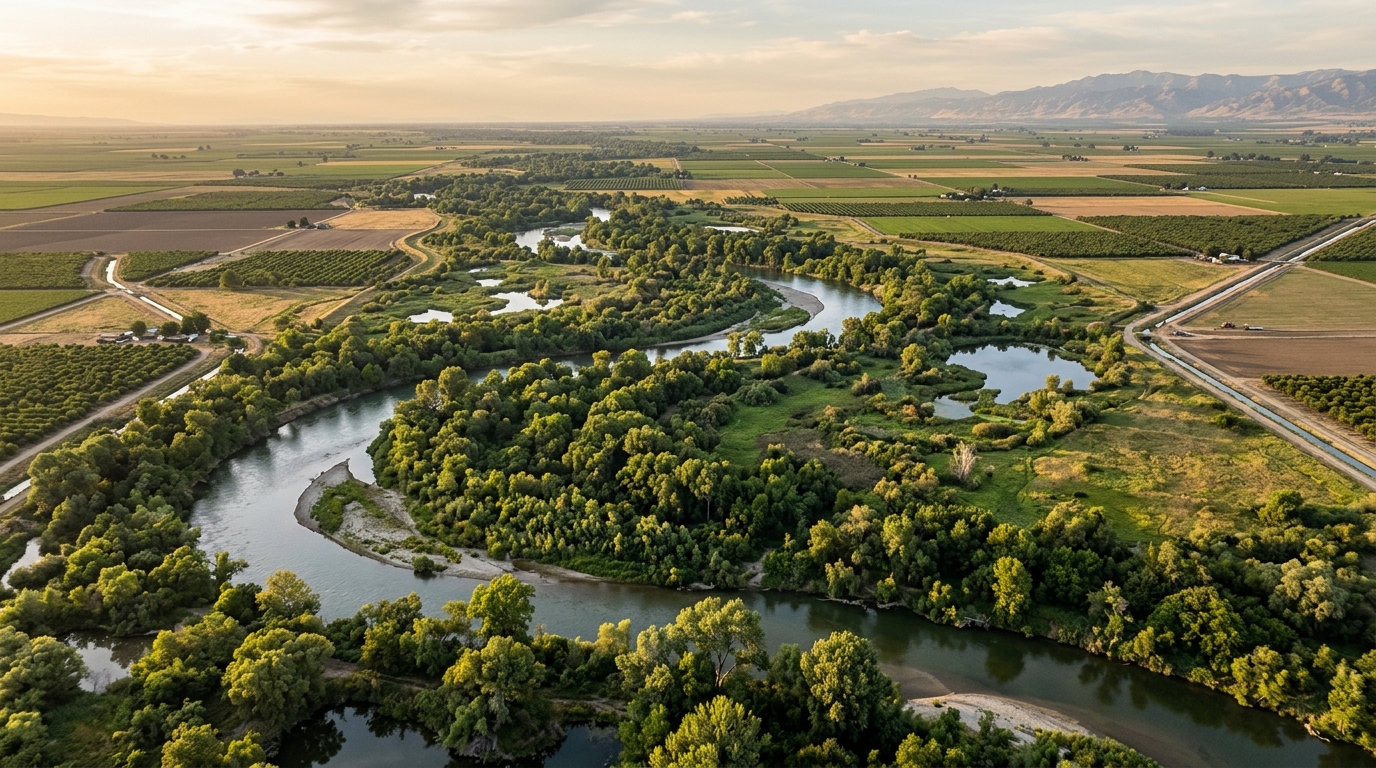
California is preparing to add three new state parks, and this time the spotlight is on the Central Valley. Feather River Park in Yuba County, San Joaquin River Parkway in Fresno and Madera counties, and Dust Bowl Camp in Kern County are moving through the planning and acquisition process as part of the state’s State Parks Forward initiative.
The expansion is significant because it is not simply adding more acreage to California’s already extensive park system. Each proposed park addresses a different part of the state’s story. Two would expand public access to major rivers and outdoor recreation, while the third would preserve a nationally important piece of Great Depression and migrant-worker history.
For travelers, residents, families, and outdoor enthusiasts, the three parks also offer something important geographically. Much of California’s most famous public-land tourism is concentrated along the coast, in mountain areas, or around internationally known destinations. These new parks focus instead on communities in the Central Valley, where state officials say access to major state parks has historically been more limited.
If you are exploring different parts of the state, start with our California regions guide or browse our California county explorer to see how these new parks fit into the larger geography of the Golden State.
Why California’s Three New State Parks Matter
The three parks are part of State Parks Forward, an initiative announced in April 2026 to expand California’s State Park System. California State Parks says the three sites span roughly 330 miles from one end of the Central Valley to the other. Together, they would bring the statewide park total to 283 while improving outdoor and cultural access in communities that have received fewer state-park investments than many other parts of California.
The proposal also comes shortly after the creation of Dos Rios, a restored floodplain landscape near Modesto that became California’s first new state park in nearly a decade. That project demonstrated a broader approach to parks in the Central Valley: public recreation can exist alongside habitat restoration, river management, education, and climate resilience.
The new sites continue that idea. Feather River Park combines river access with restored habitat and floodplain functions. San Joaquin River Parkway would connect existing public properties into a larger recreational corridor. Dust Bowl Camp takes a completely different approach by preserving a historic place associated with migrant farmworkers and the Great Depression.
Readers looking for existing places to hike, walk, picnic, and spend time outdoors can also browse our California parks and outdoors directory.
State Parks Forward Puts the Central Valley at the Center
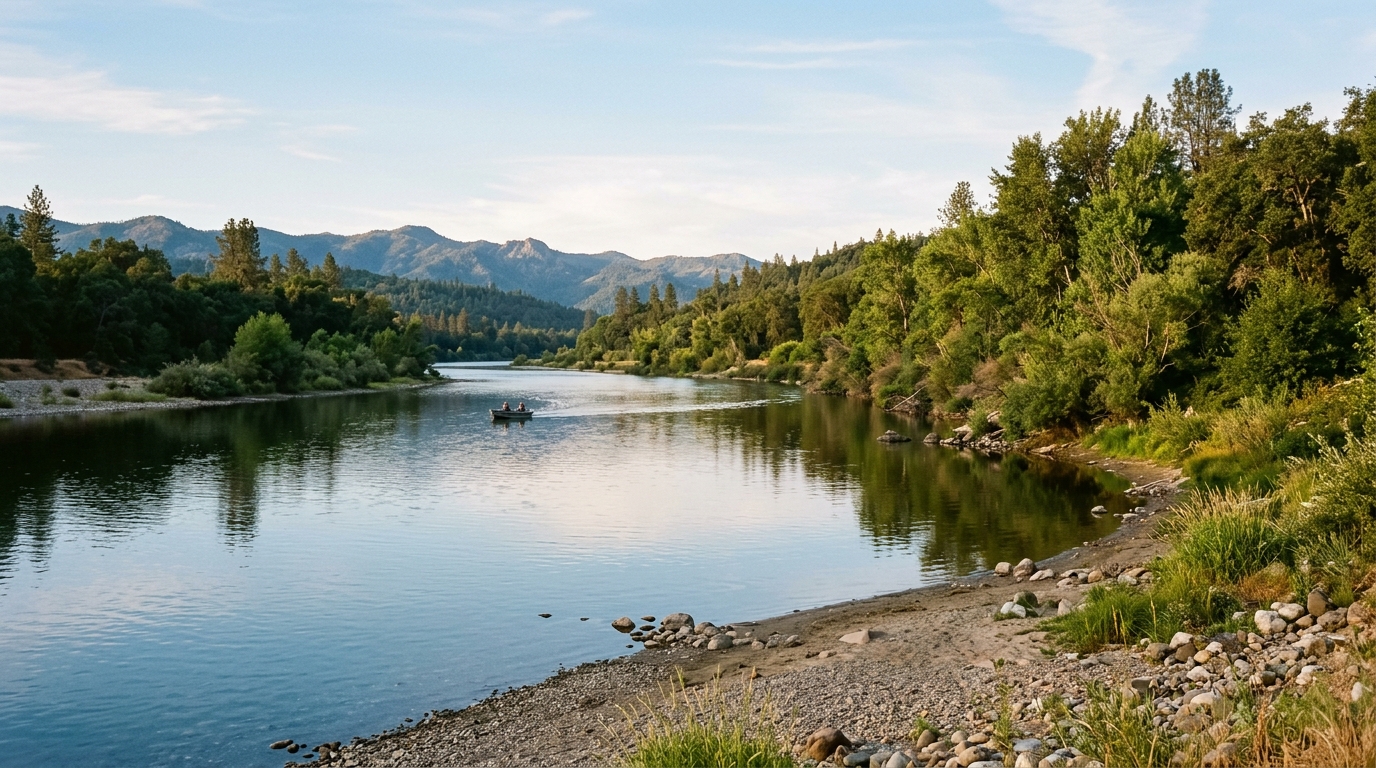
California’s Central Valley is often known for agriculture, logistics, rapidly growing cities, and the major rivers that support much of the state’s water system. From a recreation perspective, however, residents often travel toward the Sierra Nevada, coast, or other regions to reach California’s most recognizable state parks.
The three new parks could help change that balance. Rather than creating destinations only for tourists, the current planning process emphasizes parks that can serve nearby residents as well as visitors traveling through the region.
That local focus is especially important because Fresno, Bakersfield, Yuba County, and neighboring communities are not small isolated destinations. They sit along important travel corridors and are home to large populations that could benefit from closer access to recreation, trails, river environments, educational programs, and cultural resources.
Californians Can Help Shape the Parks Through September 4
The parks are still being planned, which means visitors should not treat the three properties as fully developed new tourist attractions yet. California State Parks launched a public visioning process in July 2026 to gather ideas about recreation, education, historic interpretation, outdoor access, and community needs.
As of August 20, 2026, the online survey remains open through September 4. Residents can provide feedback about one park or all three. State Parks says the results will help inform a visioning report with recommendations and next steps.
Anyone interested in participating can visit the official California State Parks announcement about the three new Central Valley parks for current information about the planning process.
Do Not Expect Three Finished Parks Immediately
The announcement understandably creates excitement, but “new state park” does not mean that every site already has visitor centers, campgrounds, parking lots, marked trails, restrooms, or daily public access.
California State Parks is working through acquisition, community engagement, planning, and decisions about how the properties will function. Dust Bowl Camp, for example, is currently not open as a regular public state park. Future facilities and activities at each site will depend on the planning process.
That distinction matters when planning a trip. Travelers should verify official opening information instead of arriving based only on a headline or social media post. Until the parks are formally developed for broader visitation, existing parks and recreation areas remain the better choice for immediate outdoor trips.
Feather River Park Could Bring Yuba County Its First State Park
Feather River Park is planned near Olivehurst in Yuba County and covers nearly 2,000 acres along the Feather River. According to California State Parks, the property is currently owned by the Three Rivers Levee Improvement Authority of Yuba County.
One of the most notable aspects of the site is its combination of recreation and floodplain management. Parts of the landscape are designed to take on water during high-flow years, while selected areas contain restored natural habitat.
The proposed park would also mark a major local milestone: it would be the first state park in Yuba County. For a county with roughly 85,000 residents, a significant state park along the river could create a new recreational anchor without requiring residents to travel much farther into Northern California or the Sierra foothills.
River Recreation Could Become the Main Attraction
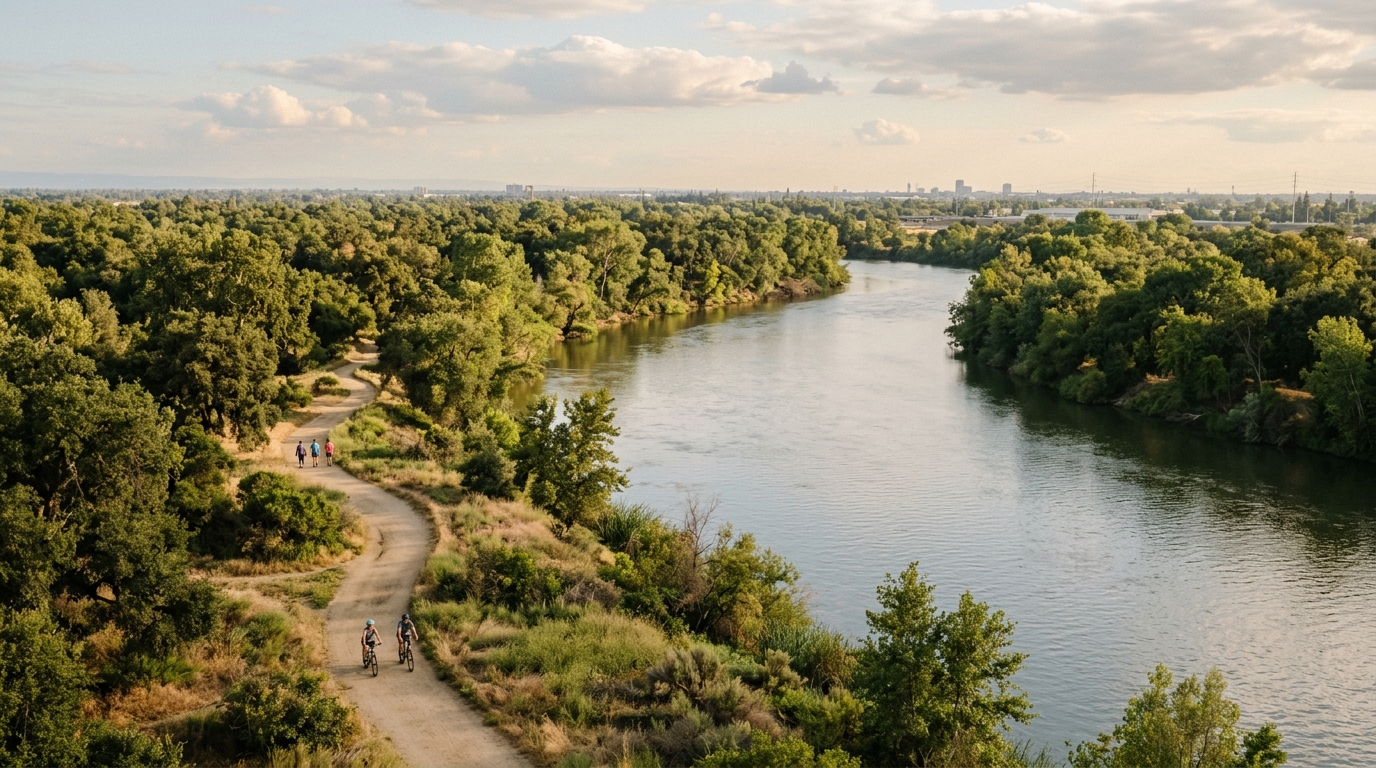
Existing features at the Feather River property include a boat launch and riverside beach, giving planners a foundation for future water-oriented recreation. The final mix of activities has not yet been determined, but river access could make the park particularly useful for boating, nature observation, picnicking, walking, and other low-impact outdoor activities.
The property’s floodplain function also gives visitors an opportunity to understand how California’s rivers, wildlife habitat, water management, and public recreation can intersect. That makes the future park potentially valuable for both recreation and environmental education.
Travelers interested in expanding a Northern California itinerary can combine future visits with other destinations listed in our California things to do guide.
San Joaquin River Parkway Could Create a Major Fresno-Area Recreation Hub
The San Joaquin River Parkway proposal covers approximately 874 acres in Fresno and Madera counties. Unlike a completely undeveloped parcel, the proposed park consists of multiple publicly owned properties associated with the San Joaquin River Conservancy.
The goal is to bring various properties together into a more unified state park with improved recreational access along both sides of the San Joaquin River. Its position immediately upriver from Fresno makes the project especially notable. Instead of being hours away from a major population center, the park would sit beside one of the Central Valley’s largest metropolitan areas.
The park would also complement Millerton Lake State Recreation Area farther upriver. Together, the two destinations could create a stronger corridor for river and water-based recreation in the Fresno region.
An 874-Acre Park Could Connect People More Closely to the San Joaquin River
The San Joaquin River is enormously important to California, but many residents experience it more as part of the state’s water and agricultural story than as an accessible recreational landscape. A larger connected parkway could help make the river more visible and usable for everyday recreation.
Future planning could support walking, bicycling, wildlife observation, river access, education, and other activities, although visitors should wait for official plans before assuming exactly what facilities will be developed.
For Fresno and Madera County residents, the greatest benefit may be proximity. A high-quality public landscape close to a major urban population can become part of regular local life rather than a destination reserved for an occasional vacation.
Dust Bowl Camp Adds History to California’s Park Expansion
The third new park is dramatically different from the river properties. Dust Bowl Camp near Bakersfield is a roughly two-acre historic site connected to one of the most difficult periods in American social and agricultural history.
The property is the former Sunset Migratory Labor Camp, also associated with the name Weedpatch Camp. It was among the camps created by the federal government during the Great Depression to house migrant agricultural workers who came west after drought, economic collapse, and the Dust Bowl displaced families from other parts of the country.
The site is listed on both the National Register of Historic Places and the California Register of Historical Resources. California State Parks says historic structures surviving there are the only original Dust Bowl-era camp buildings from the 1930s and 1940s remaining in a California camp.
The site also has a major literary connection. It helped inspire John Steinbeck’s The Grapes of Wrath, one of the best-known American novels about families who migrated to California during the Dust Bowl era.
A State Park Can Preserve Stories as Well as Landscapes
California state parks are often associated with beaches, redwoods, deserts, mountains, and lakes, but the system also preserves places where important parts of California history happened. Dust Bowl Camp would strengthen that cultural side of the park system.
Once planning and public-access improvements are complete, the location could become a valuable educational destination for students, history travelers, Steinbeck readers, and people interested in California’s agricultural and migration history.
Together, the three proposed parks show how broad the idea of a state park can be. One can protect a working floodplain, another can connect an urban population to a major river, and another can preserve historic buildings and difficult stories that shaped California communities.
There is no single opening date yet for all three parks, so anyone interested in visiting should follow California State Parks for official updates. In the meantime, the public planning period provides a rare opportunity to influence what these destinations eventually become.
For more California outdoor ideas, explore our parks and outdoors directory. If you are planning a larger road trip, you can also read our guide to the Highway 1 Big Sur road trip in 2026 and continue discovering California from the Central Valley to the coast.